Students will feel safe walking around Aberystwyth at night.
| |
 |
What are the goals of this campaign?
- Work with students to investigate where they currently feel unsafe or have had something unsafe happen to them.
- Built stronger relationships with the council and police to work together on creating a safer place.
- Bring more lighting into areas of Aberystwyth.
- Replace victim blaming with communications that target perpetrators.
|
|
|
Why is it important?
Being able to walk around at night safely is important for freedom, equality, independence, and quality of life. When people (especially women and gender-diverse or female-presenting individuals) don’t feel safe after dark, it limits their access to jobs, social life, exercise, community spaces, education, and everyday errands. This isn’t just a “feeling” issue, there are measurable safety concerns and behavioural impacts that affect people’s lives.
According to the Global Safety Report, 73% of adults globally do not feel safe walking alone at night. In the UK specifically, a recent polling found 88% of women said they feel unsafe walking alone after dark and many will change their route or avoid it altogether for safety reasons.
When large groups of people feel unsafe just being in public spaces after dark, it can signify issues such as:
- Inadequate Lighting and Infrastructure
- Unequal policing and Public Safety Responses.
- Social Normas that place responsibility for safety on individuals rather than communities.
Making nighttime walking safer for everyone is about creating inclusive, equitable communities where no one has to limit their life because of fear.
|
 |
Actions
🗣️ We’ve been listening.
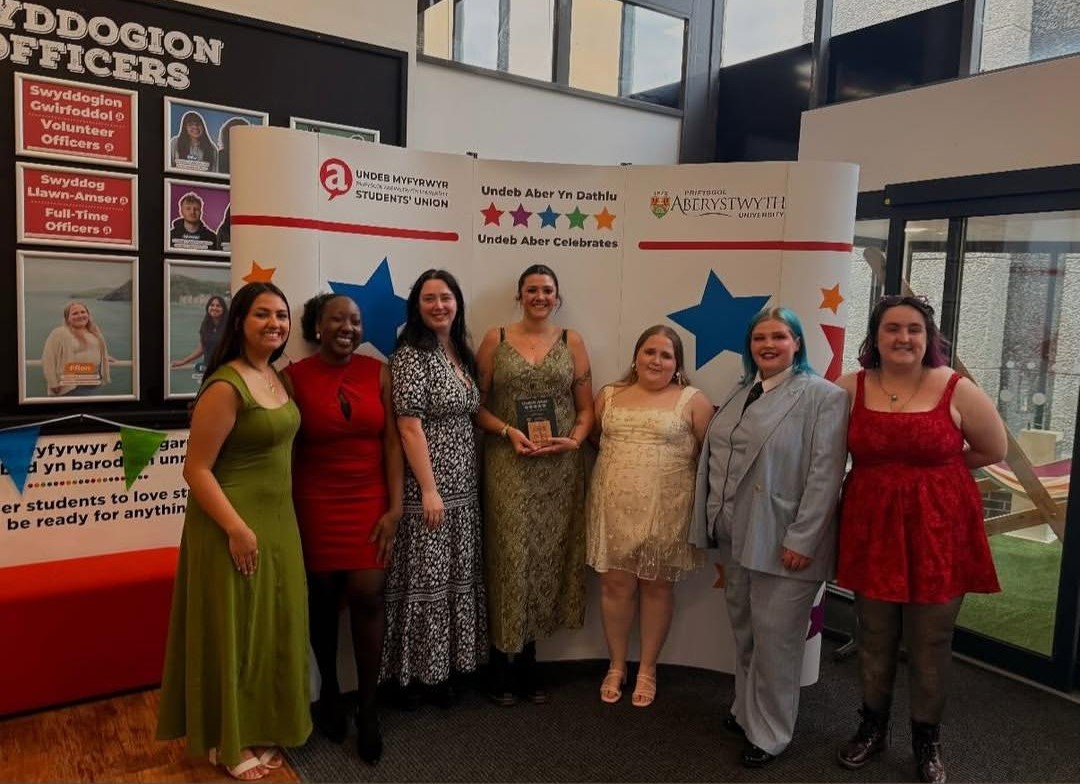
Our campaign team has been out in the community all year, speaking directly with students and listening to their lived experiences. By collecting personal stories and honest feedback, we’re building a clearer picture of what the problems are. One of the problems we are tackling is that students don’t feel safe walking at night. Through your stories, we have been able to identify where students do and don’t feel safe in town and on campus.
Students told us that better lighting matters not just for safety, but for accessibility too. That’s something we’re prioritising during our safety walks as we work to make town safer for everyone.
These voices matter and they’re driving real action right now. Every conversation helps shape the work we’re doing and the changes we’re pushing for.
Town Investigation
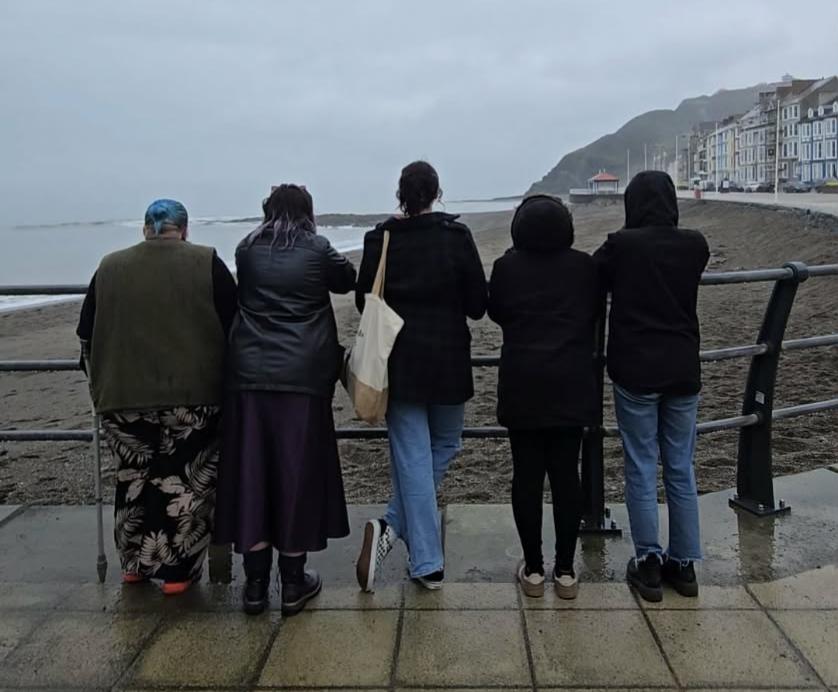
On 2nd June, SU staff joined Student Services, the town and county council, and student campaigners for an evening safety walk around town. Together, we visited key locations students identified as unsafe, focusing on what we can change, including improvements to street lighting.
💡 One key area under review is the castle grounds. We’re exploring subtle lighting options that protect the beauty of the area while making it safer to walk through at night.
🤝 It was powerful to bring everyone together: strengthening partnerships, sharing ideas, and committing to working collaboratively going forward.
🙌 Huge thanks to everyone who joined us and supported this work. A big thank you to Shelly Childs from the Town Council, the Mayor of Aberystwyth Emlyn Jones, and Alun Williams the Deputy Leader of Ceredigion County Council for attending and being so engaged in discussions. We’re excited to keep pushing for a town where everyone feels safe, seen, and supported.
PSPO Consultation
The Students Union submitted their opinion to the PSPO Consultation surrounding alcohol usage on the streets in Aberystwyth.
Find out more about what the consultation was about here.
Read our feedback here.
Thank you for sharing the Alcohol Consumption in Public Spaces Protection Order with us and for inviting the Students’ Union to provide feedback.
We agree that the purpose of this order to help ensure Aberystwyth feels and is a safer place for all residents is positive and worthwhile. We particularly welcome the approach that possession of alcohol itself is not an offence, and that enforcement focuses on failure to comply with an officer’s request without reasonable excuse. We believe this is a proportionate measure, as it reduces the risk of penalising individuals who may be unaware of the order or who may be vulnerable or seeking support, instead offering a more educational and preventative approach.
We also appreciate that the designated area covers the entirety of Aberystwyth town, which contributes to a consistent and clear framework aimed at improving public safety.
Our only area of concern relates to the inclusion of the beach. We are aware that some students may occasionally consume alcohol on the beach in the evenings, often as a more affordable alternative to licensed premises. While we recognise that this does not support local businesses, many students face significant financial constraints and the beach can be one of the few accessible social spaces outside the home that does not involve additional costs.
We would therefore welcome clarification on how the order would be applied in this context. Specifically, is the restriction intended as a blanket approach to all alcohol consumption, or would enforcement be focused on situations where behaviour is disruptive or causing disturbance? For example, if a small group of students were sitting quietly on the beach with alcoholic drinks and not causing any disruption, would they still be approached by a police officer?
Thank you for considering our feedback. We look forward to hearing the outcomes of the meeting and receiving clarification on the points raised above.
Extra Links
StreetSafe
This is a service that allows you to anonymously report safety concerns in public places, including issues like poorly lit streets, abandoned buildings, or vandalism, as well as instances where you feel unsafe. StreetSafe data is regularly presented at CSP meetings for monitoring of trends and areas of concern.
The more data that is received, the clearer the picture in terms of where additional resources or interventions may be needed.